
Issues
What I’m fighting for
1. Keeping Vermont affordable
A government that spends wisely earns the right to ask for what it needs.
In Pomfret, we’ve kept tax increases below the state average, not by cutting services, but by questioning every expense and treating every dollar as our neighbors’ money.
The first time I sat down with a town budget, I was struck by how much of what we spend locally is driven by costs we can’t control: health insurance, state mandates, education assessments. That’s what I hear from neighbors and small business owners across our communities — whether in Thetford or Springfield, Norwich or Ludlow. It won’t get better until Montpelier starts treating affordability as an obligation, not just a talking point.
When we get this right, families can stay, businesses can grow, and towns can plan for the future instead of just surviving each budget cycle. This session, lawmakers acted to exclude voter-approved school construction debt from the penalty that drives up education spending — relief I've called for, and a direct help to communities like ours carrying bond costs. I will work to make sure reforms like this hold, so towns can invest in their children's future without being penalized for it.
I will fight for meaningful action on health insurance costs that squeeze town and school budgets alike. And I will demand a state budget built from the same hard questions we ask in town halls across the district.
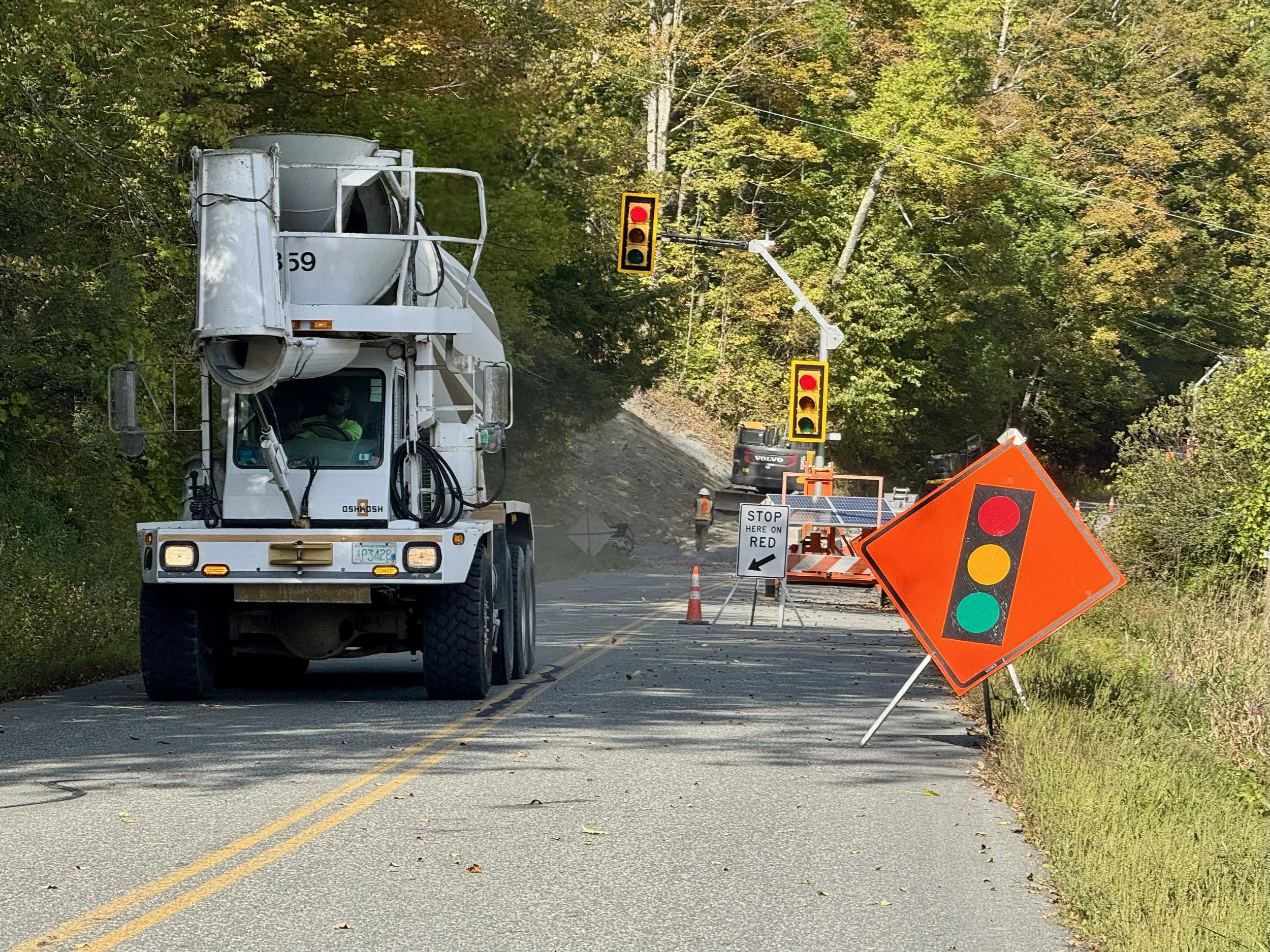
2. Schools that strengthen our communities
Investing in our schools is investing in our future.
That conviction drove my work on the Mountain Views school bond, which passed this year after a difficult two-year conversation across seven towns. The questions the bond forced us to ask — what do we value, and what can we afford — are exactly what our senators must ask themselves every day.
This year the Legislature passed H.955, choosing voluntary school district mergers over the forced consolidation that Act 73 had set in motion. That's a win for local voice — but the hard part is implementation. A new statewide funding formula is still coming, and my focus is on making sure it works for every community, not just the ones that fit neatly into a statewide model. Through my work with the Mountain Views district and our regional partnerships, I’ve seen firsthand that education isn’t just about K-12. It begins before kindergarten and opens doors for a lifetime.
I will fight for education funding reform that prioritizes classroom investment over administrative overhead, protects our local schools, and ensures that a student training to be an electrician or a nurse receives the same quality of preparation as one heading to a university.

3. Emergency services that reach every door
Where you live shouldn’t determine how long you wait for help.
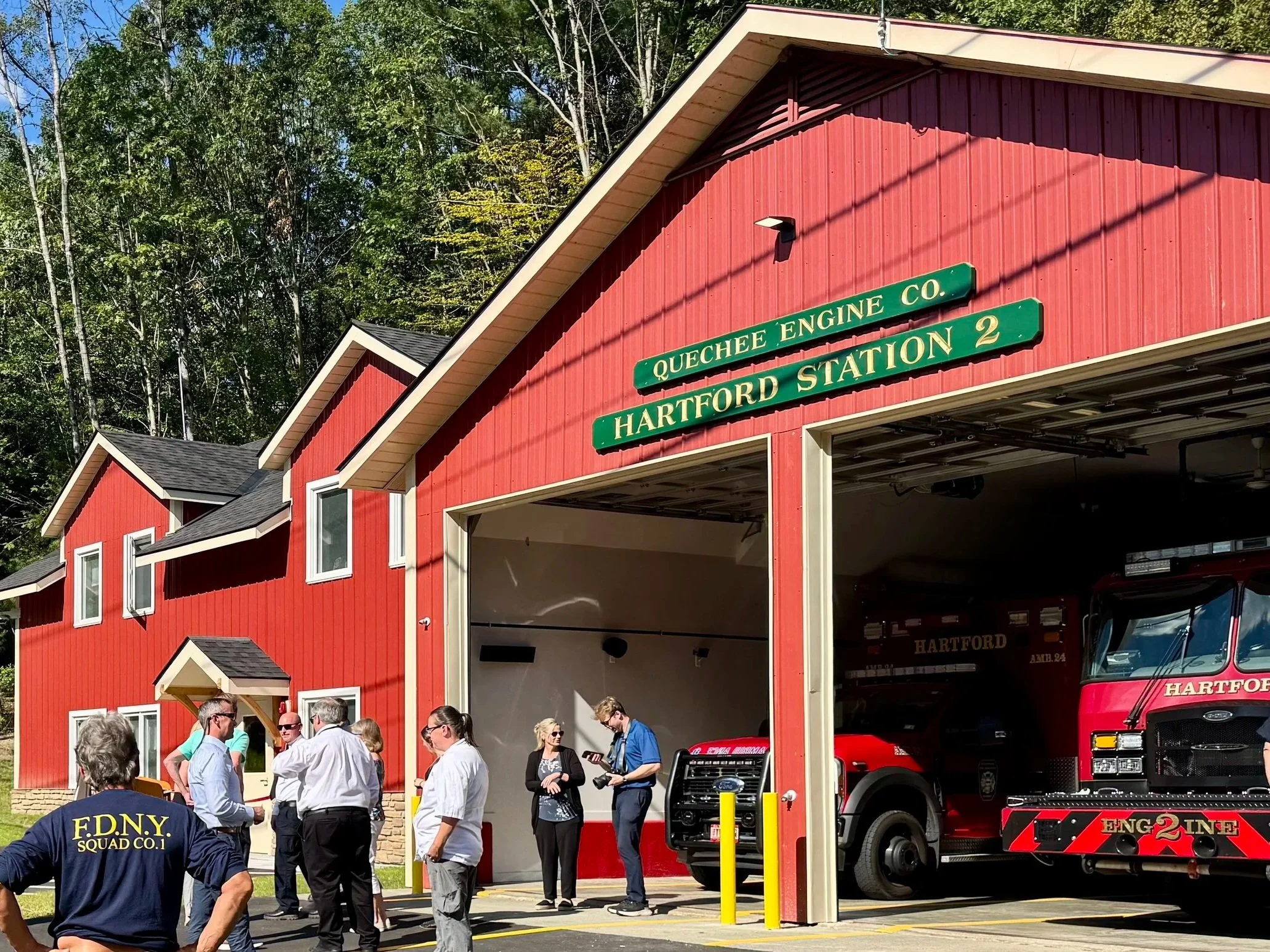
When we realized 350 neighbors in northeast Pomfret faced long 911 response times, we didn’t just accept it. We sat down with our neighbors in Hartford, analyzed the call data, and built a service agreement that cut those times by up to eight minutes. That’s an eternity in an emergency.
Our small towns face the same challenge: volunteer rosters are thinning, call volumes are rising, and the cost of equipment and training keeps climbing. I will fight for state policies and funding that help rural towns cooperate to protect their residents, while keeping emergency services under local control. This means removing financial and regulatory barriers to volunteers and helping departments meet NFPA and OSHA standards.
4. Protecting the working landscape
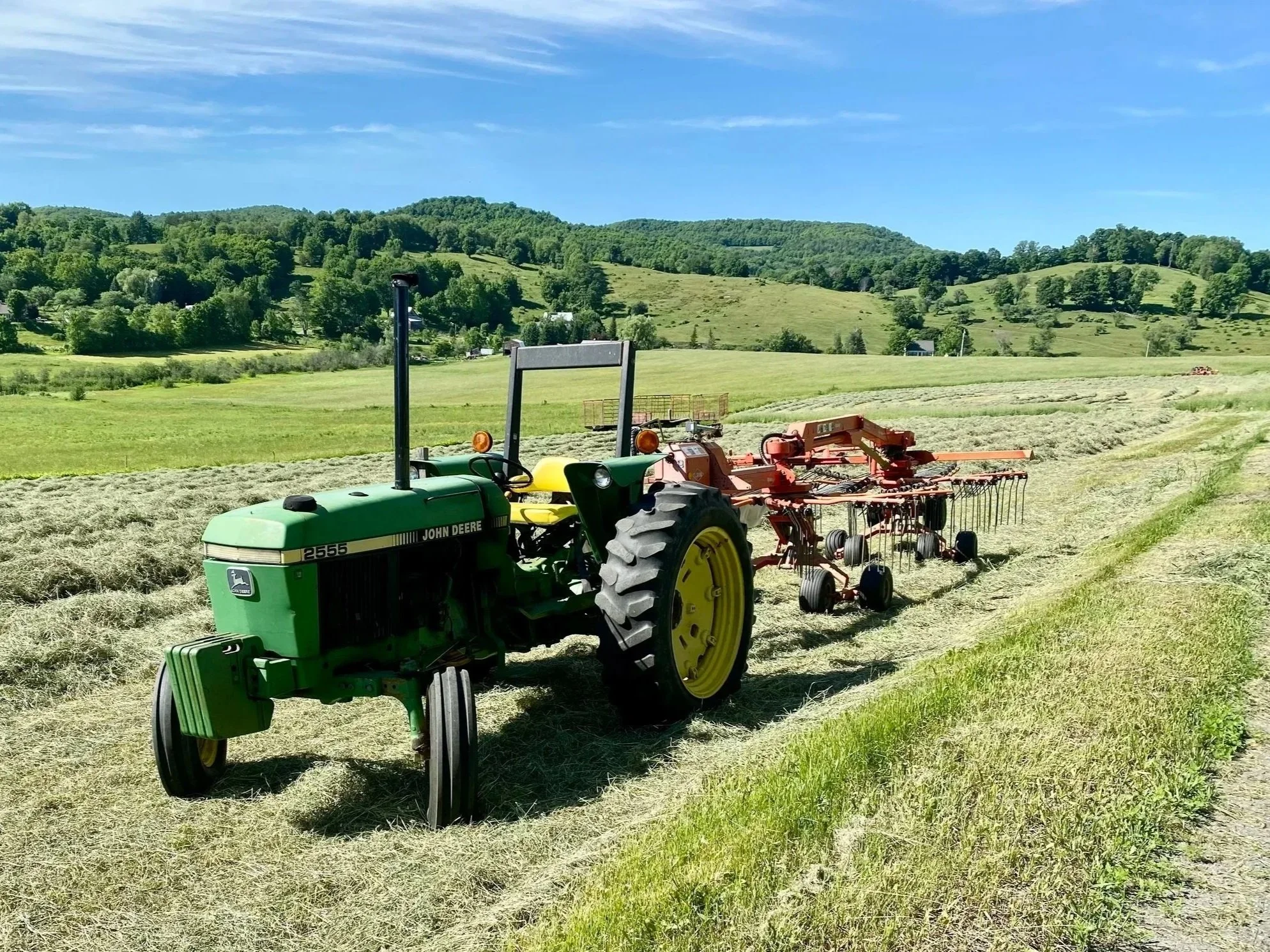
I live in North Pomfret, surrounded by working farmland.
Across Vermont — in Barnard’s forests, Bridgewater’s fields, and the hillside pastures from Hartland to Weathersfield — farmers worry whether their children can carry on what they've built.
Act 181's tier system would have placed blanket restrictions on rural landowners that go beyond the problem it was meant to solve. One of my farming neighbors set aside building lots hoping his kids will stay or move home one day, and the proposed state maps put that at risk.
This year, after sustained pushback from rural Vermonters, the Legislature voted to repeal the Tier 3 maps and the road rule and to open a public process for what comes next — while keeping Act 181's core protections for headwaters, forests, and wildlife corridors in place. That's the right direction, and it reflects what I've said as a Selectboard chair since before this campaign: land use decisions belong at the most local and accountable level. I'll work to keep them there.
Most Vermonters are good stewards of their land. Vermont’s land use law should reflect that.
5. A Vermont where the next generation can stay
My wife Katie and I moved to Pomfret in 2018 looking for exactly what has become hard to find. We found it.
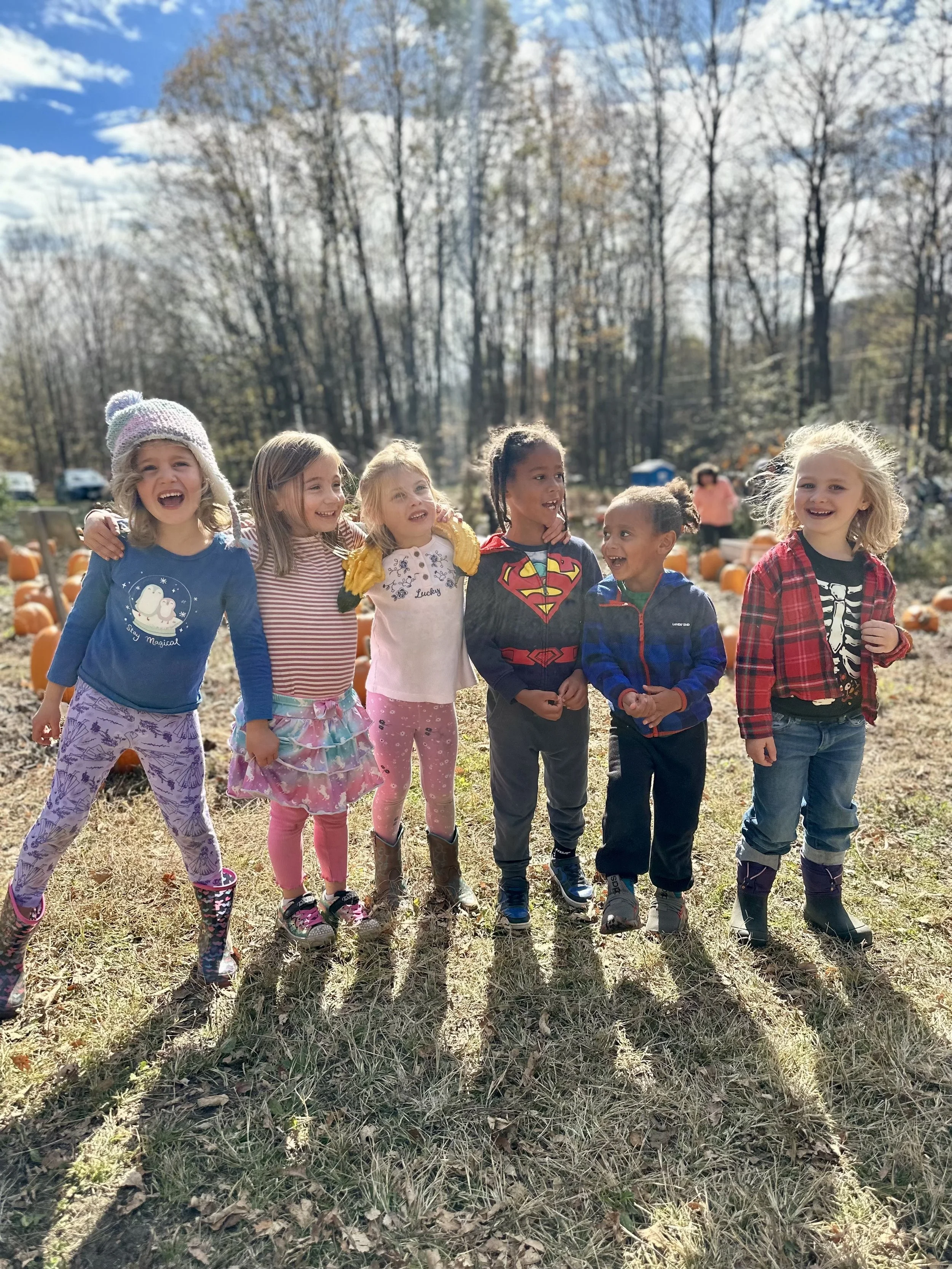
And I hear regularly from neighbors whose grown children want to come home to Vermont but can’t afford to.
When young families leave, schools shrink, volunteers disappear, and the civic life that holds a town together begins to fray. This is true in Pomfret — and it’s true across the district, from Hartford, where young workers are priced out of the rental market, to Springfield, where economic development and workforce housing go hand in hand.
We already have models worth building on: Springfield’s Black River Innovation Campus is drawing investment, and the regional partnerships across the Mountain Views district show what communities can accomplish by working together.
We have real assets: skilled tradespeople, natural beauty, growing remote-work appeal, and a civic culture most places have lost. I will support reforms that make it easier and less expensive to build here. That means supporting accessory dwelling units by right and reducing the Act 250 permitting burden for workforce housing near our job centers.
These aren’t five separate problems.
They’re five symptoms of the same thing: the slow unraveling of what holds Vermont together. When families can’t afford to stay, schools shrink.
When schools shrink, fewer families come. When there are fewer families, emergency services go understaffed. When farms can’t pass to the next generation, the landscape that defines this place begins to disappear.
Anyone who has sat around a Selectboard table knows this. Montpelier tends to treat each of these as a separate problem. Our communities deserve a senator who understands how the pieces fit, and who has spent seven years learning what breaks when Montpelier doesn’t see the whole picture.