My Work and Where I Stand
I am an attorney, a town official, and Pomfret is my home.
In my day job, I help small and early-stage companies raise the resources they need to start and grow their businesses. My clients are founders and entrepreneurs, not the large financial institutions across the table from them. My job is to help them build something without signing away control of it, often standing between a small company and the far larger interests on the other side.
I previously served as counsel in the Democracy Program at the Brennan Center for Justice, where I worked on campaign finance and the strength of our democratic institutions. Earlier in my career I was an adviser to New Jersey Governor Dick Codey on state-level environmental policy.
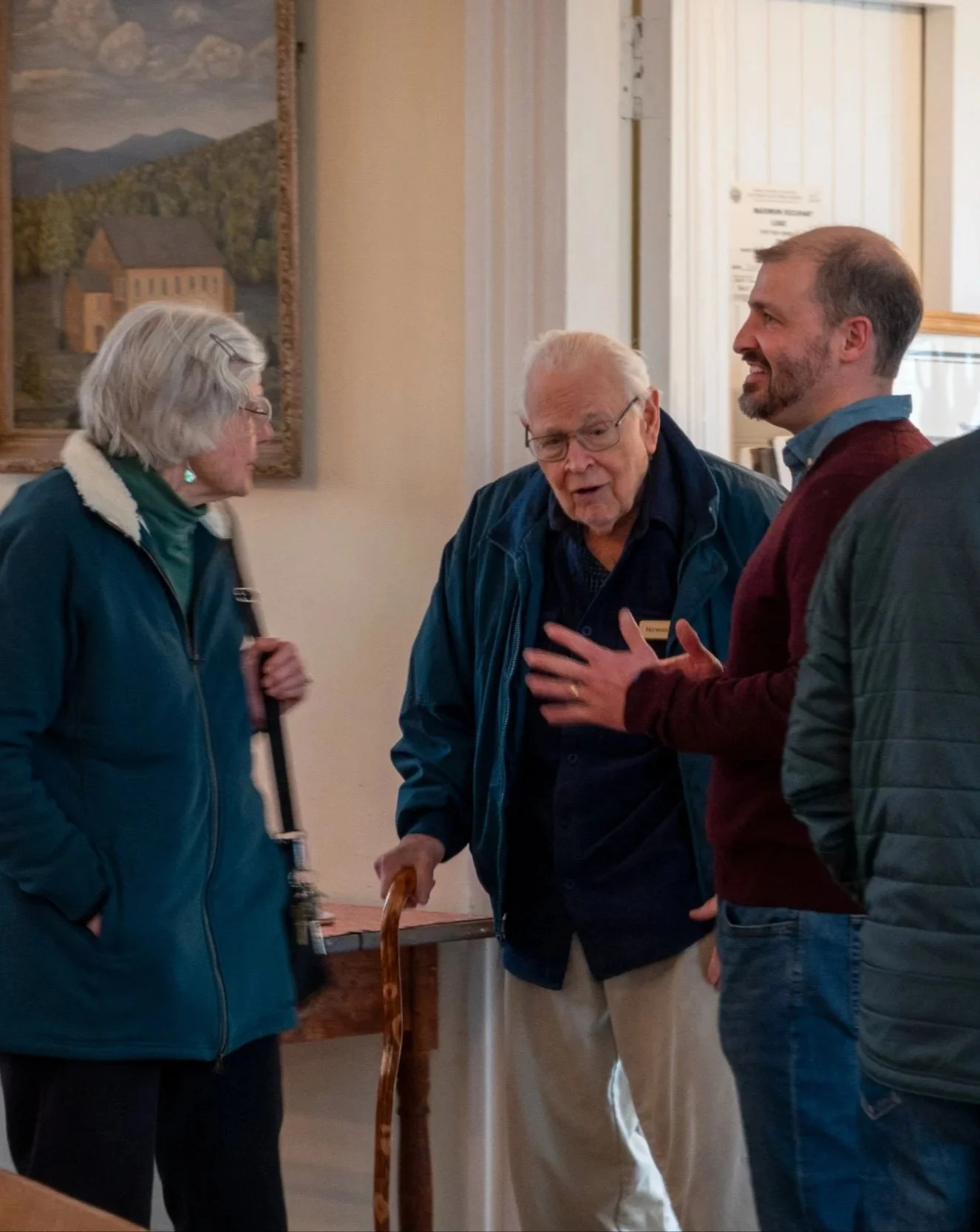
The work that shaped this campaign, though, is closer to home. For nearly eight years I have served the town of Pomfret — first as a town auditor, then on the Zoning Board, and now on the Selectboard. In a town with no professional manager, the Selectboard work has been especially time-consuming, at ~500 hours per year, and most of it is unglamorous.
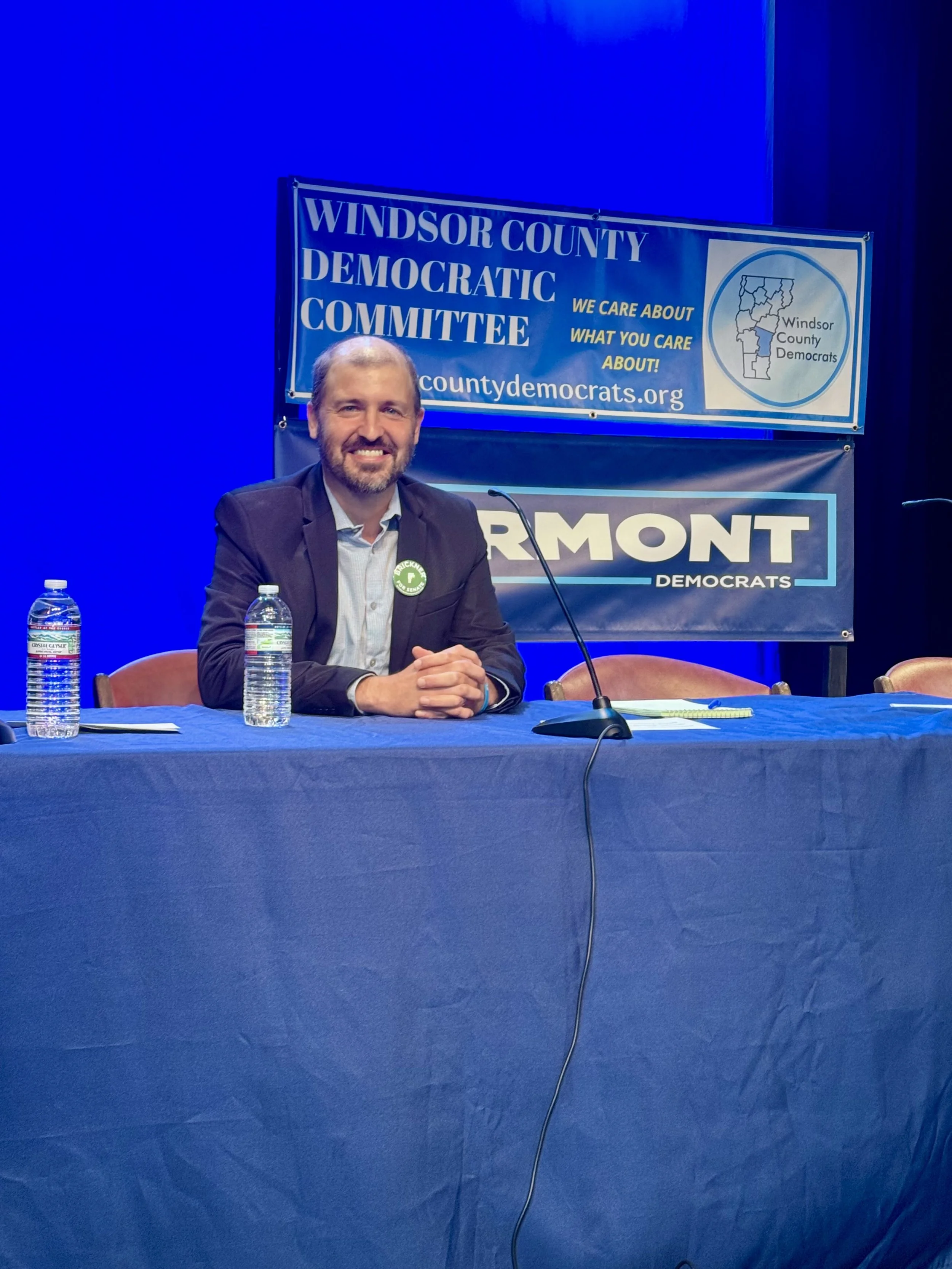
But it’s the work that taught me how a decision made in Montpelier actually lands on a small town, a road crew, and a school budget. I helped Pomfret file an amicus brief in support of Tunbridge in the legal trails case, helping keep public trails open to every Vermonter and not only those who own land. I negotiated a regional services agreement that lowered costs and improved 911 response times for part of our town. And as Selectboard chair I helped Pomfret unanimously adopt a Declaration of Inclusion and, in 2025, a resolution affirming due process and equal protection last year.
That is the through line from Policy to Pavement: I know how policy is written, and I know what it takes to carry it out here, in our corner of Vermont.
Affordability ties everything together.
Housing, health care, child care, and school costs are not separate problems. They are one pressure — the cost of staying here — showing up in different places. Vermont should not treat them in isolation, because they are not experienced by Vermonters in isolation.
Housing and the working landscape. We need more homes that working Vermonters can afford, built where it makes sense, without carving up the landscape that makes this place worth staying in. Land use is the lever that connects housing, conservation, the tax base, and the character of our towns, and it is the area I have spent the most time on.
Education and child care. Small towns are being asked to absorb costs and consolidation decisions they had no hand in. I have sat through countless budget meetings. I will bring that ground-level view to how the state supports schools and families.
Emergency services. Rural response times and the strain on volunteer departments are a safety issue and an affordability issue at once. I negotiated a regional agreement that improved both costs and response times locally, and I know that model can be extended.
AI data centers. I would have voted to override the Governor’s veto of data center regulation, and I support a moratorium on new AI data centers until Vermont has real protections in place for our grid, our land, and our cost of living.
Democracy. My professional and academic work has centered on getting money out of politics and strengthening the institutions that let ordinary people be heard. Vermont's democracy runs on volunteers — the neighbors who serve on our boards and staff our town meetings — so last session I helped write a volunteer protection bill, introduced by Senator Clarkson, to protect the people who make local government work. It did not make it through, and finishing that work is part of why I am running.